What Is the Most Accurate Type of Torque Wrench?
In high-stakes industries like aerospace, power generation, and heavy manufacturing, bolt tension is not just a detail—it is a safety requirement. Many professionals often search for the most accurate solution among manual torque wrenches, Hydraulic Torque Wrenches, and electric Torque Wrenches. While different tools excel in different environments, understanding the hierarchy of precision is vital for those who cannot afford even a slight margin of error in their bolting operations.
Achieving extreme accuracy requires more than just a high-quality tool; it requires selecting the design that best matches your specific application. By exploring the different types of tools available, you can ensure your assembly processes are as precise and safe as the industry demands.
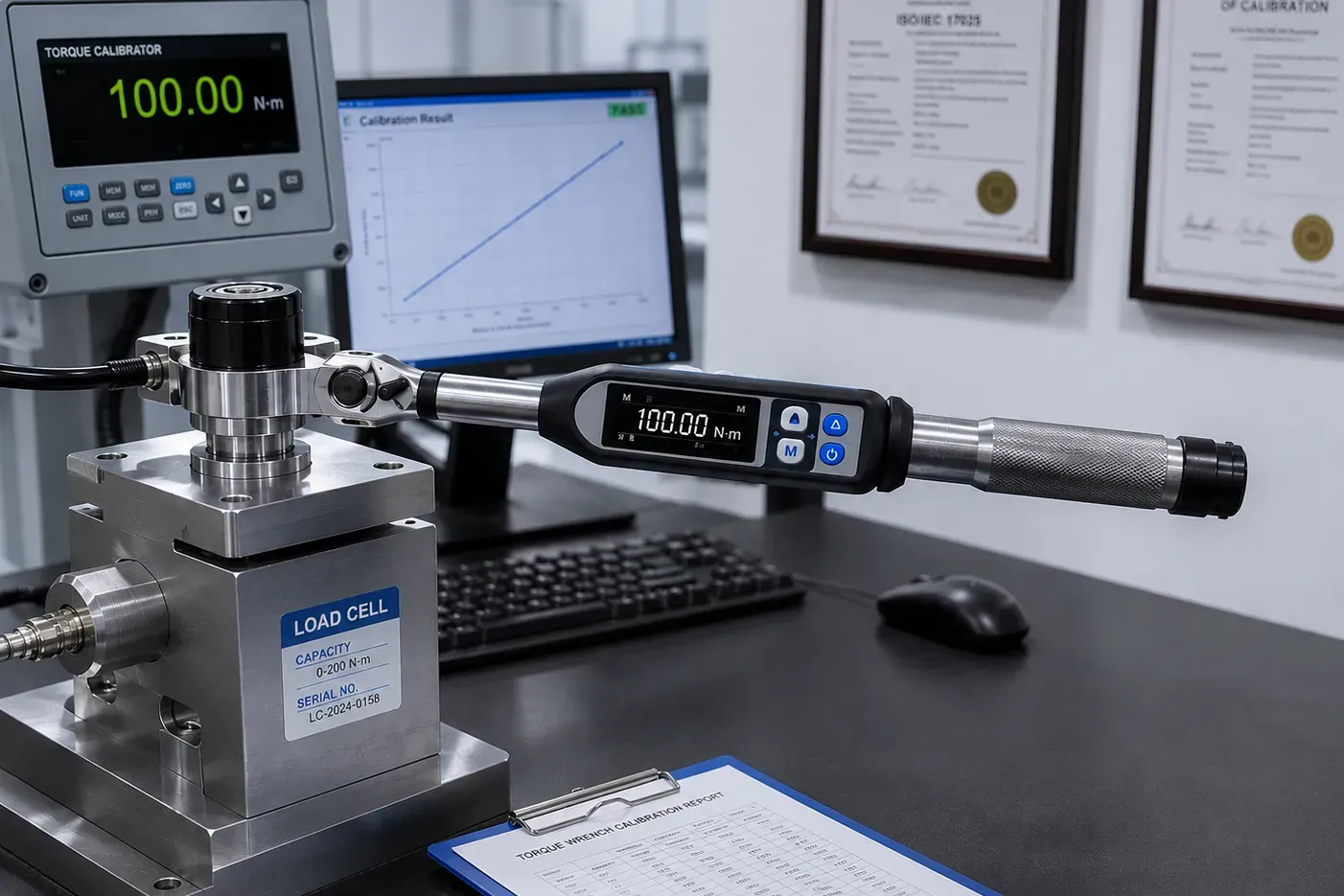
Evaluating Torque Wrench Accuracy
Accuracy in bolting is defined by how closely the applied force matches the target value set by engineers.
Digital Torque Wrenches: The Modern Standard
For most professionals, the digital torque wrench is currently considered the most accurate and versatile type of torque tool. These tools utilize electronic strain gauges to measure torque in real-time, which removes the physical variability inherent in mechanical springs or beams. Because they provide an exact numerical readout on a digital screen, the possibility of reading a scale incorrectly is almost entirely eliminated. Furthermore, many digital models can store data, allowing operators to document every single bolt tightened, providing an electronic trail of quality assurance that is mandatory in modern safety-critical industries.
The Precision of dial torque wrenches
While digital wrenches are excellent for data logging, the dial torque wrench is often cited as the gold standard for pure mechanical accuracy and reliability. Because they use a direct-reading beam mechanism, there are no "click" mechanisms to wear out or miscalibrate over time. As you apply force, the needle moves in perfect synchronization with the metal bending, offering an objective, visual representation of the torque. They are favored in quality control audits because they do not rely on batteries or complex electronics, making them a consistent, unchanging reference point for checking bolt tension.
Comparing Mechanical vs. Electronic Systems
The "most accurate" tool often depends on whether you need measurement or control. A mechanical beam or dial wrench is an exceptional measurement tool that provides high-fidelity feedback for quality control. Conversely, an Electric Torque Wrench or a high-end digital wrench offers superior control, allowing you to program specific torque profiles and ensure that the tool stops automatically the moment the target is reached. Both systems offer world-class accuracy, but your choice should depend on whether you are verifying an existing bolt or installing a new one.
Factors That Influence Your Results
Even the most accurate tool in the world will perform poorly if it is not used or maintained correctly.
The Role of Calibration and Maintenance
No matter how precise your SAIVS tool is, accuracy is a function of calibration. Over time, metal parts expand, contract, and wear. Sending your wrenches to a certified calibration lab on a regular schedule is the only way to guarantee that "accurate" remains a reality. Additionally, storing your tools in the correct way—such as backing off the spring on mechanical wrenches—ensures that the internal components stay within their optimal operating range for as long as possible.
Technique and Environmental Conditions
A common error in bolting is "side-loading" or pulling the wrench at an angle, which introduces false resistance and ruins accuracy. Furthermore, temperature and surface friction on the bolt threads can influence the results. Even with the most accurate hydraulic torque wrench, you must account for these external variables. Proper training and a clean workspace ensure that the precision built into your Saivs tools is fully realized in the final assembly.
Selecting the Right Tool for the Job
If your project requires high-volume assembly, a digital or electric tool is likely the most accurate choice because it reduces human fatigue and eliminates the risk of missing a bolt. If you are performing a one-time structural inspection, a dial wrench might be the better choice for its simplicity and robustness. Choosing the right category of tool is the final step in ensuring that your accuracy requirements are always met.
Ensuring Quality with Professional Equipment
Precision is a commitment to excellence that requires reliable manufacturing and high-quality hardware.
Engineering for Consistent Results
When you rely on high-precision tools, you need equipment that has been engineered to stand up to the rigors of the workplace. A well-constructed tool features clear displays, robust internal sensors, and comfortable grips that allow for steady, controlled force. Saivs focuses on providing tools that bridge the gap between industrial strength and high-level precision, ensuring you have the reliability you need for every single connection.
Expert Support for Your Tooling Needs
Selecting the right tool for your specific application is just as important as the tool's inherent accuracy. If you are uncertain whether a digital, dial, or hydraulic tool is best for your current project, consult with experts who understand the nuances of industrial bolting. Professional guidance can help you select the equipment that maximizes both accuracy and efficiency, ensuring that your projects meet every safety standard.
Trusted Solutions for Industrial Excellence
For professionals demanding the best in measurement and assembly, Saivs offers a comprehensive range of industrial tools. Their commitment to engineering quality and reliability helps you keep your projects on track and within strict specifications. By choosing Saivs, you are investing in precision, durability, and the long-term success of your maintenance and construction operations.
Why Choose SAIVS™ as Your Supplier?
With 20 years of industry experience, SAIVS is a leading Chinese manufacturer of high-quality tools, offering competitive pricing and excellent customer service.We pride ourselves on exceptional quality control, extensive experience, and comprehensive after-sales service.