What is it called when you tighten a bolt?
When people work with machinery, they often need to fasten parts together. The process of tightening a bolt to a specific level is usually called bolting or torque tightening. Achieving the correct tension is important for the safety and stability of everything from small engines to large ships.
Using high-quality hydraulic pumps and hydraulic valves helps ensure that the tools used for this task perform well. Many industrial workers also rely on hydraulic motors to power the equipment that carries out these precise fastening jobs. Understanding the basics of this process helps keep machines running smoothly for a long time.
Understanding the basics of torque tightening
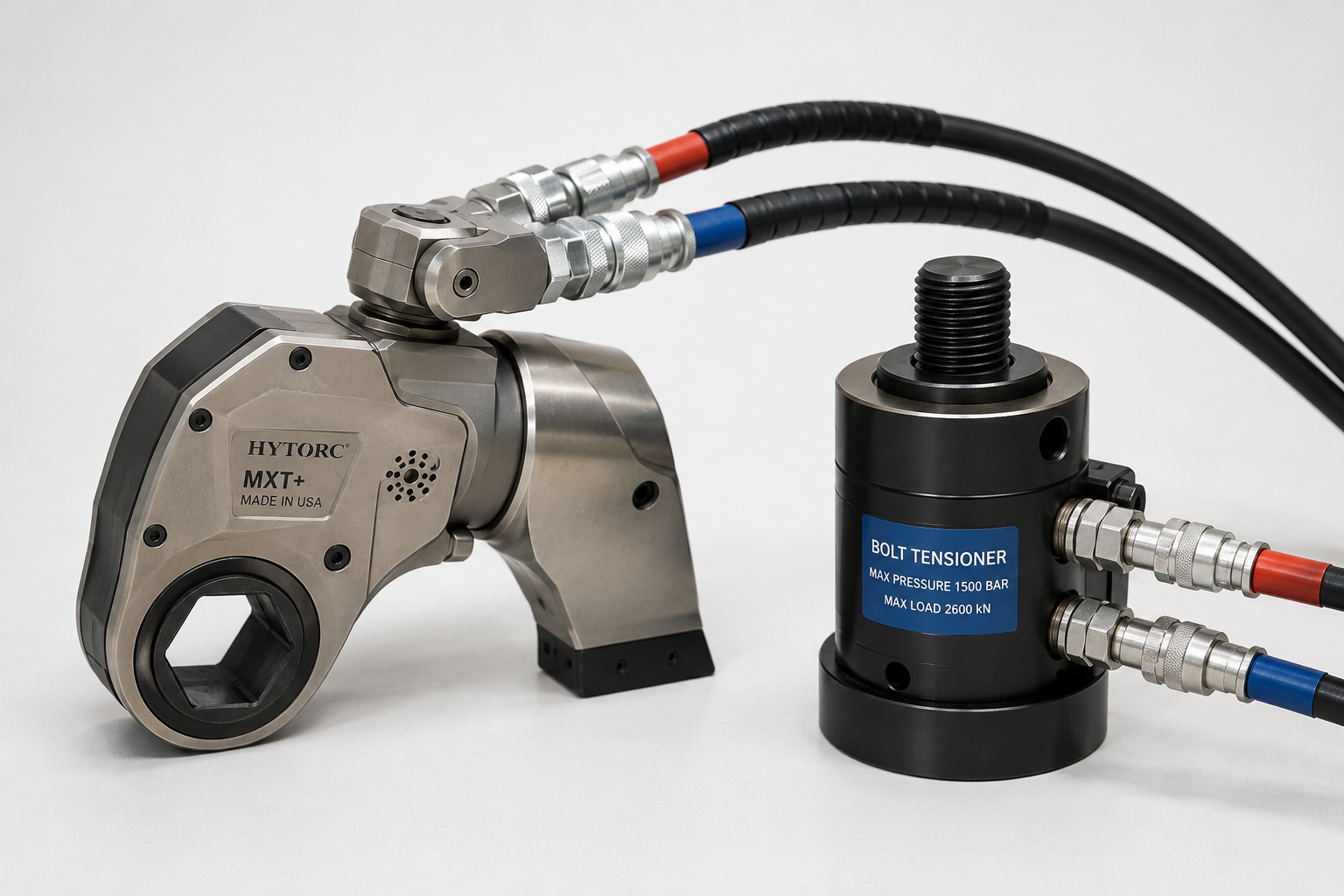
The most common term for accurately tightening a bolt is "torquing." This means applying a specific amount of rotational force to a fastener so that it stays secure without being damaged.
Why is torque tightening important for mechanical joints?
Torque tightening is the process of applying a specific turning force to a bolt, known as torque, to create "preload" or tension in the bolt. This tension is what actually holds two pieces of material together. If a bolt is not tightened enough, it can vibrate loose, which might cause equipment to fail or fall apart. On the other hand, if a bolt is tightened too much, it can stretch or even snap. By using specialized tools to hit the exact required torque, engineers ensure that the joint is secure, safe, and able to withstand the heavy loads it will face during operation.
What tools are used to measure the force applied?
To get the right amount of pressure, workers use tools like torque wrenches or digital hydraulic tightening systems. A standard Manual Torque Wrench has a clicking mechanism that tells the user when the desired force has been reached. In larger industrial settings, hydraulic Bolt Tensioners are often used. These tools use fluid pressure to stretch the bolt slightly before the nut is tightened, which is a very accurate way to ensure the bolt is held firmly in place without the friction issues that can happen when just turning a nut.
How does friction affect the tightening process?
When you turn a nut or bolt, friction occurs in the threads and under the head of the bolt. This friction actually resists the tightening force, meaning that a large part of the energy applied by the tool is used up just fighting that friction, rather than creating the necessary tension in the bolt. If the threads are dry or dirty, the friction might be high, making it difficult to know if the bolt is truly tight enough. This is why many technicians use lubricants or specialized coatings on bolt threads, as it makes the torque readings much more consistent and reliable.
Common methods for securing industrial bolts
Beyond simple hand tools, there are several professional ways to make sure a bolt stays where it is supposed to be.
What are the different types of hydraulic bolting equipment?
Hydraulic bolting equipment uses pressurized oil to create massive amounts of force, which is necessary for very large or critical bolts found in bridge construction or power plants. These systems include Hydraulic Torque Wrenches that ratchet like a socket wrench, and bolt tensioners that pull the bolt straight up like a piston. Because these tools are powered by a pump, they can tighten multiple bolts at the exact same time, which keeps the pressure even across a large metal flange or connection point.
How do engineers decide on the required tightening pressure?
Engineers look at several factors to determine how much force is needed. They consider the size of the bolt, the strength of the metal it is made from, and the weight or pressure the joint will need to support. They also check the manufacturer's design specifications for the machine to see what level of tension is safe. Too little force results in a loose joint, while too much force could damage the threads or break the bolt entirely. Following these set guidelines is a critical part of machine maintenance.
What happens if a bolt is tightened incorrectly?
If a bolt is not tightened to the right level, it can lead to dangerous situations. If it is too loose, the pieces it holds together might start to wiggle, which can cause the bolt to break from fatigue over time. If it is too tight, the metal might reach its "yield point," where it stretches and loses its ability to pull the parts together properly. This is why regular inspections are performed in industries to ensure that fasteners remain within their correct operating range and are replaced if they show signs of damage.
The role of fluid power in fastening systems
Modern industrial assembly lines often rely on Hydraulic Systems because they provide steady, controllable power.
Why is fluid pressure used in high-precision tightening?
Fluid power is popular because it allows for very smooth and predictable movement. When you push fluid through a system, it exerts the same amount of pressure in every direction, which is perfect for moving a piston in a bolt tensioner. Because the pressure can be measured and controlled very finely with a gauge, operators know exactly how much force is being applied at any second. This takes the guesswork out of the job and ensures that every single bolt is tightened to the exact same standard, which is vital for building reliable, long-lasting structures.
How does a system maintain constant pressure during the task?
A reliable system uses a high-pressure pump that maintains a steady flow of hydraulic oil to the tools. There are relief valves that act as a safety net; if the pressure gets too high, the valve opens to let extra oil flow back into the tank, preventing the system from breaking. By using clean oil and maintaining these valves, the equipment can stay pressurized for as long as the worker needs it. This consistent pressure is what allows for the precision required in modern manufacturing environments.
What are the benefits of using automated bolting systems?
Automation helps speed up the assembly process while removing the risk of human error. Instead of a person manually checking every single bolt, a computer-controlled hydraulic system can perform the task on dozens of bolts at once. This ensures that the clamping force is distributed evenly across a surface, preventing warping or uneven stress. It also records the data for every bolt tightened, creating a log that proves the job was done correctly, which is a common requirement in safety-critical industries.
Safety and maintenance for bolted joints
Keeping bolts in good condition is a continuous process that ensures overall machine health.
How often should bolted connections be inspected?
The frequency of inspections depends on how much the machine vibrates and what kind of environment it is in. Machines that operate under heavy loads or in areas with high vibrations, such as ships or large mining equipment, require more frequent checks. Maintenance teams often have a schedule to "re-torque" bolts, which simply means checking them again after a certain period of time to make sure they haven't loosened. If a bolt shows signs of rust, stretching, or thread wear, it should be replaced immediately.
What are the signs that a bolt needs to be replaced?
A bolt should be replaced if it shows visible signs of damage, such as rusted threads, a cracked head, or if it appears to be permanently stretched. Sometimes, a bolt that has been tightened many times will lose its ability to "spring back" to its original shape, which is a sign it has reached the end of its life. If a bolt cannot hold the required torque during a test, it is no longer safe to use and must be swapped out for a new one to keep the system secure.
How does the environment affect the life of a bolt?
Exposure to water, salt, or extreme heat can cause a bolt to degrade much faster. In marine environments, for example, salt water can cause corrosion that seeps into the threads and locks the bolt in place, making it nearly impossible to remove later. Heat can also cause the metal to expand and contract, which can gradually loosen the connection. Using special coatings, anti-seize compounds, or choosing bolts made from high-grade, corrosion-resistant materials helps protect the joint and extends the life of the machine.
Advancements in modern fastening technology
The technology used for tightening bolts is constantly improving to make work faster and safer.
What are smart bolting systems and how do they work?
Smart bolting systems are the newest tools that include sensors to monitor the process in real-time. These tools can send data wirelessly to a tablet or computer, showing the operator exactly how much torque is being applied and confirming that the bolt has reached the perfect tension. Some systems can even detect if there is a problem with the bolt or the hole before the process is finished. This high-tech approach helps workers be more efficient and ensures that complex projects meet the highest safety standards.
How has technology improved accuracy in recent years?
In the past, workers had to rely on "feel" or basic manual tools, which were not always very accurate. Today, high-precision electronic gauges and computer-controlled pumps allow for an incredible level of accuracy that was impossible decades ago. These tools can account for factors like thread lubrication and surface temperature, automatically adjusting the pressure to ensure the result is perfect. This digital control is one of the main reasons why modern machines can operate for so long without needing frequent repairs.
What future trends are expected in the bolting industry?
The industry is moving toward even more portable and lightweight tools that pack more power. Designers are also working on materials that are even stronger and lighter, allowing for smaller bolts to handle much larger loads. Furthermore, as the Internet of Things (IoT) grows, we can expect more machines to have "self-monitoring" bolts that can send an alert to a phone or computer the moment they start to loosen. This will change maintenance from a reactive job to a proactive one, where problems are fixed before they even happen.
When you are looking for the right tools to achieve professional-grade results in these tasks, reliable support is essential. SAIVS provides a wide range of high-quality hydraulic solutions, including pumps and specialized tools, to help you complete your maintenance and assembly projects efficiently.
Why Choose SAIVS™ as Your Supplier?
With 20 years of industry experience, SAIVS is a leading Chinese manufacturer of high-quality tools, offering competitive pricing and excellent customer service.We pride ourselves on exceptional quality control, extensive experience, and comprehensive after-sales service.