What Can Break a Hydraulic Cylinder?
In heavy construction, industrial manufacturing, and agricultural operations, Hydraulic Cylinders serve as the heavy lifters of fluid power systems. Many technicians and equipment operators often wonder: what causes a hydraulic cylinder to fail, bend, or break under operational stress? Understanding the primary root causes of cylinder failure is essential for maintenance managers looking to minimize costly downtime and maintain job-site safety.
Preventing catastrophic equipment breakdowns requires more than just routine cleaning; it involves recognizing the destructive forces that compromise structural integrity. By exploring the common failure modes of hydraulic actuators, you can protect your equipment and extend its operational lifespan.
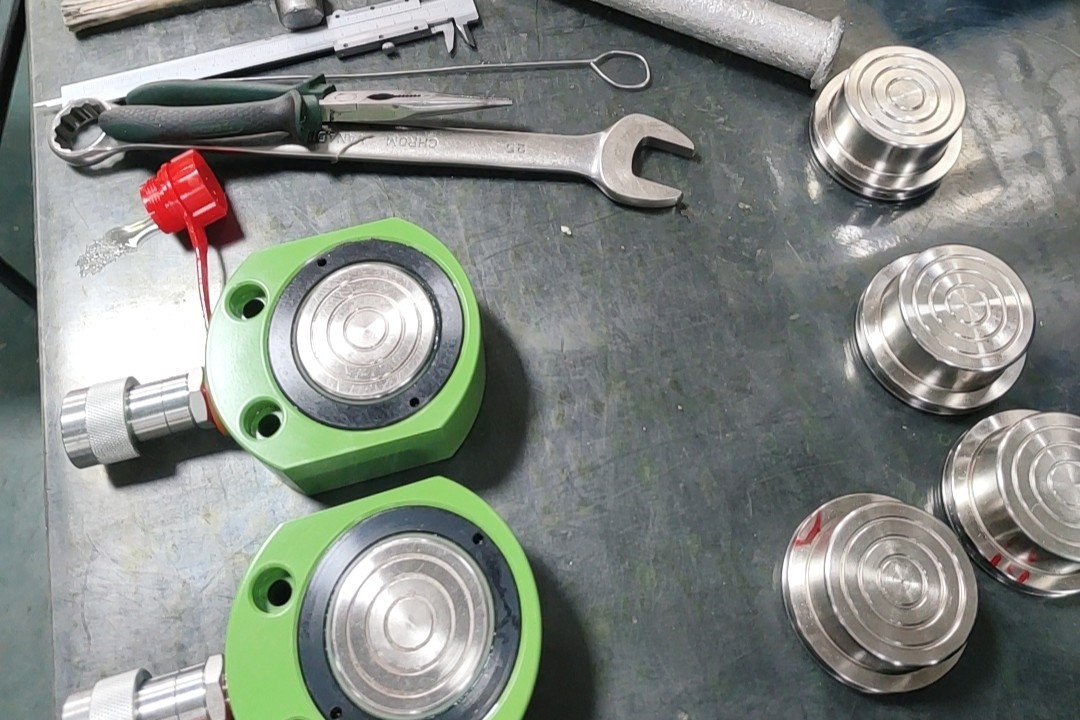
Major Causes of Hydraulic Cylinder Failure
hydraulic cylinders are engineered for immense strength, but several mechanical and operational factors can push them past their breaking point.
Side Loading and Piston Rod Bending
One of the most frequent causes of structural failure is side loading—occurring when a load is applied at an angle rather than directly in line with the cylinder's axis. This lateral force places intense bending stress on the chrome-plated piston rod and causes uneven wear on internal guide bushings and seals. Over time, excessive side loading can bend the rod, score the cylinder barrel, or snap the mounting pins entirely.
System Over-Pressurization
Every cylinder is rated for a maximum safe working pressure limit. Subjecting a cylinder to pressure spikes that exceed its design threshold—often caused by improperly adjusted relief valves, sudden shock loads, or incorrect pump sizing—can balloon the cylinder tube, rupture welded seams, or blow out internal piston seals. Ensuring that your system pressure remains strictly within manufacturer specifications is vital for avoiding structural failure.
Fluid Contamination and Internal Wear
Because Hydraulic Systems rely on clean oil to operate smoothly, particulate contamination acts as a silent destroyer. Dirt, metal shavings, and moisture trapped in the fluid stream will scratch internal cylinder walls, bypass seals, and destroy the precision surfaces of valves and pumps. Once internal seals fail, high-pressure fluid leaks past the piston, drastically reducing lifting capacity and generating destructive internal heat.
Operational Practices to Prevent Cylinder Damage
Proactive maintenance and correct operating procedures are your best defense against unexpected cylinder breakdowns.
Proper Installation and Alignment
Avoiding side-loading failures starts during the initial installation phase. Ensure that all mounting pins, clevises, and structural linkages are perfectly aligned so that the pushing and pulling forces travel strictly along the longitudinal axis of the cylinder. Inspecting mounting hardware regularly for looseness or wear prevents misalignment issues from developing over time.
Maintaining Cleanliness and Fluid Quality
Protecting your cylinders requires rigorous fluid management. Regularly replace hydraulic filters, test oil quality, and ensure that exposed piston rods are kept clean and lubricated with a light film of clean hydraulic oil rather than sticky grease. Clean fluid prevents internal scoring and preserves the lifespan of every seal and valve in the circuit.
Monitoring Operating Temperatures and Shock Loads
Excessive heat thins hydraulic oil, reducing its lubricating properties and accelerating wear across the entire system. Additionally, operators should avoid slamming loads into mechanical stops at high speeds, as hydraulic shock waves can generate instantaneous pressure spikes several times higher than normal operating limits. Smooth, controlled operation safeguards the entire mechanical assembly.
Achieving Excellence with Professional Equipment
Success in fluid power applications relies on selecting robust tools and maintaining them with high-quality supplies engineered specifically for the demands of your work environment.
Engineering for Consistent Results
When operating high-pressure industrial machinery, you need equipment designed for extreme durability and effortless serviceability. Robust housing designs, precision internal machining, and high-grade seals ensure reliable performance under continuous heavy loads. SAIVS focuses on providing heavy-duty fluid power hardware that stands up to demanding industrial use, giving you dependable results every single time.
Expert Support for Your Tooling Needs
Selecting the ideal replacement components, matching correct fluid viscosities, or evaluating maintenance procedures requires a clear understanding of system dynamics. If you need assistance with equipment selection, custom engineering, or troubleshooting, consult with experts who understand industrial hydraulics. Professional guidance ensures that your hardware investments accurately protect your operational safety and efficiency.
Trusted Solutions for Industrial Excellence
For professionals demanding the best in fluid control and heavy machinery support, Saivs offers a comprehensive range of industrial equipment. Their commitment to engineering quality and reliability helps keep your operations running smoothly without unexpected interruptions. By choosing Saivs, you invest in durability, precision, and the long-term success of your industrial operations.
Why Choose SAIVS™ as Your Supplier?
With 20 years of industry experience, SAIVS is a leading Chinese manufacturer of high-quality tools, offering competitive pricing and excellent customer service.We pride ourselves on exceptional quality control, extensive experience, and comprehensive after-sales service.