What Are the Two Types of Hydraulic Pumps?
In heavy machinery, industrial automation, and fluid power systems, understanding how mechanical energy transforms into fluid flow is essential. Many engineers and technicians often search for the fundamental classifications when selecting a dependable hydraulic pump for their specific applications. While various specialized designs exist, hydraulic pumps are broadly categorized into two primary working types: fixed displacement pumps and variable displacement pumps.
Understanding these two core categories helps you select the right equipment for your system, ensuring optimal efficiency, proper pressure control, and long-term operational reliability.
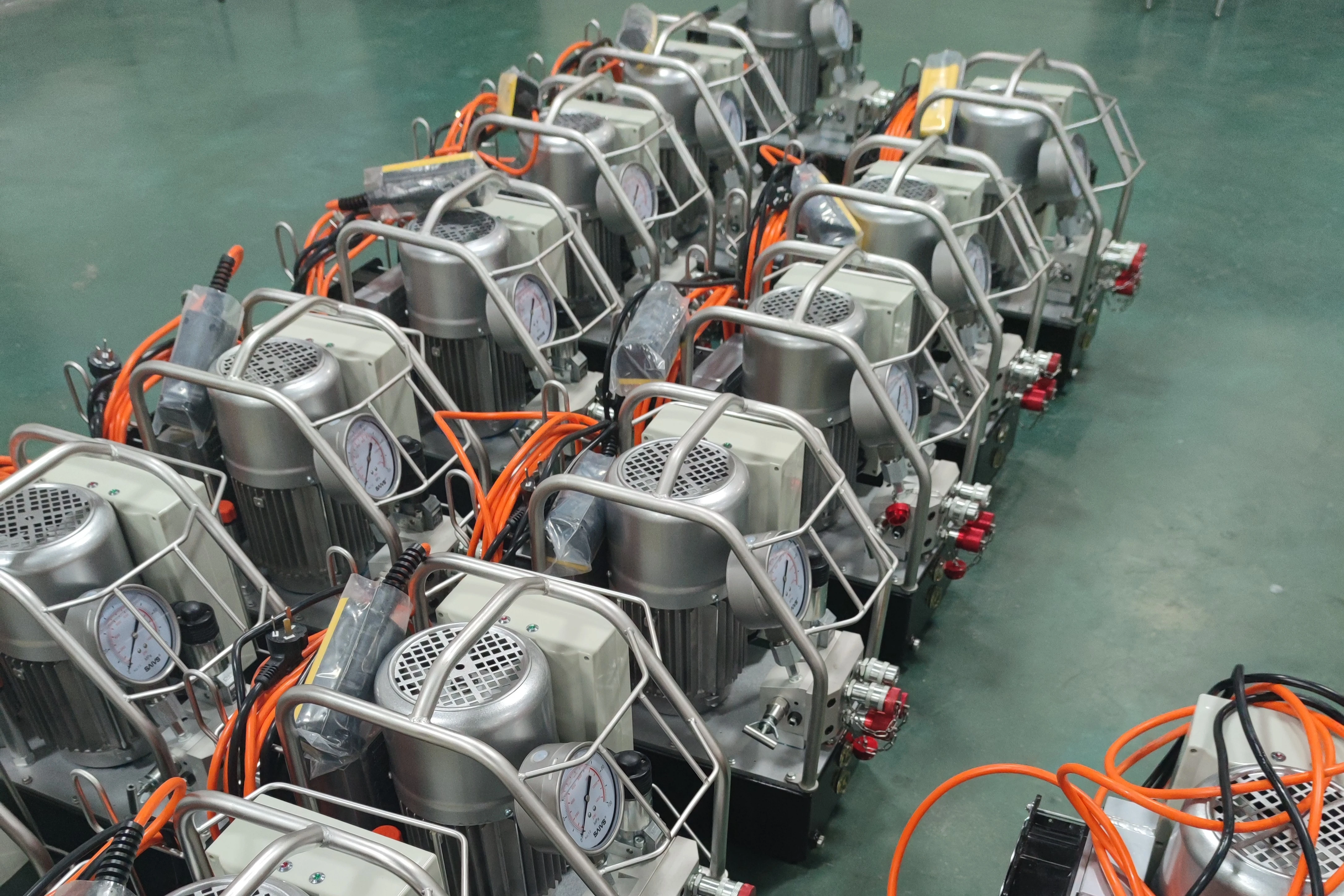
The Two Core Classifications of Hydraulic Pumps
Fluid power generation relies on distinct mechanical principles to move oil through a circuit under pressure.
Fixed Displacement Pumps: The Standard for Constant Flow
The first major category is the fixed displacement hydraulic pump, which delivers a set volume of fluid with every single revolution of the drive shaft. Because the internal chamber size cannot be adjusted, the output flow rate changes only in direct proportion to the input rotational speed of the motor. These pumps are prized for their mechanical simplicity, rugged durability, and cost-effectiveness. They are widely used in standard industrial equipment, basic presses, and mobile systems where constant, predictable fluid delivery is sufficient for the task.
Variable Displacement Pumps: Precision and Adaptability
The second major category is the variable displacement hydraulic piston pump (or similar adjustable designs), which allows operators to alter the volume of fluid delivered per cycle while the drive shaft maintains a constant speed. By shifting internal components—such as a swash plate—the system can dynamically adjust output flow to match exact load demands. This adaptability minimizes energy waste, reduces heat generation, and provides exceptional control, making them the preferred choice for complex industrial automation and heavy-duty machinery.
Comparing Fixed vs. Variable Systems
Choosing between the two types depends entirely on your system's operational requirements. If your application requires simple, continuous fluid transfer without complex speed variations, a standard fixed hydraulic oil pump offers unmatched reliability and lower initial costs. Conversely, if your machinery requires precise speed adjustments, high-pressure scaling, and maximum energy efficiency, a variable displacement model is the superior choice.
Factors That Influence Pump Selection and Performance
Knowing the basic categories is only the first step; matching the right pump design to your environment ensures long-term success.
Matching Flow and Pressure Requirements
Every hydraulic circuit demands a careful balance of pressure and flow. An incorrectly specified pump can lead to sluggish actuator movement, excessive heat, or premature mechanical wear. Whether you are installing a compact Electric Hydraulic Pump on a workshop lift or a heavy-duty unit on industrial manufacturing lines, verifying the flow rate against your duty cycle prevents system bottlenecks.
Environmental Conditions and Fluid Maintenance
Fluid cleanliness and operating temperature dictate the lifespan of any Hydraulic System. Contaminated oil or incorrect fluid viscosity will quickly degrade internal components across both fixed and variable pumps. Establishing a routine maintenance schedule—including filter replacements and fluid testing—protects your equipment investment and ensures peak volumetric efficiency.
Selecting the Right Equipment for the Job
Evaluating your project's workflow speed, power availability, and budget helps determine whether a fixed or variable pump is best. Consulting with experienced fluid power specialists ensures that your final hardware selection meets every engineering and safety standard required for your operations.
Achieving Excellence with Professional Equipment
Success in fluid power applications requires a commitment to quality hardware, precise engineering, and reliable manufacturing standards.
Engineering for Consistent Results
When operating high-pressure industrial systems, you need equipment designed for extreme durability and effortless serviceability. Robust pump housings, precise internal machining, and high-grade seals ensure reliable performance under continuous heavy loads. SAIVS focuses on providing heavy-duty fluid power hardware that stands up to demanding industrial use, giving you dependable results every single time.
Expert Support for Your Hydraulic Needs
Selecting the ideal pump category or matching the correct system components to your application requires a clear understanding of fluid dynamics. If you need assistance with equipment selection, calibration, or maintenance procedures, consult with experts who understand industrial hydraulics. Professional guidance ensures that your hardware investments accurately protect your operational safety and efficiency.
Trusted Solutions for Industrial Excellence
For professionals demanding the best in fluid control and heavy machinery support, Saivs offers a comprehensive range of industrial equipment. Their commitment to engineering quality and reliability helps keep your operations running smoothly without unexpected interruptions. By choosing Saivs, you invest in durability, precision, and the long-term success of your industrial operations.
Why Choose SAIVS™ as Your Supplier?
With 20 years of industry experience, SAIVS is a leading Chinese manufacturer of high-quality tools, offering competitive pricing and excellent customer service.We pride ourselves on exceptional quality control, extensive experience, and comprehensive after-sales service.