How to Maintenance a Hydraulic Pump?
In heavy construction, industrial manufacturing, and fluid power systems, maintaining consistent system pressure is critical for operational success. Many technicians often perform routine care on gear pumps, vane pumps, and piston pumps to ensure long service life and prevent costly downtime. Proper maintenance protects your equipment investment and ensures that every hydraulic actuator operates smoothly under high loads.
Achieving long-term reliability requires more than just reactive repairs; it requires a proactive care schedule tailored to your equipment's operating conditions. By following standard maintenance procedures, you can keep your fluid power systems operating safely and efficiently.
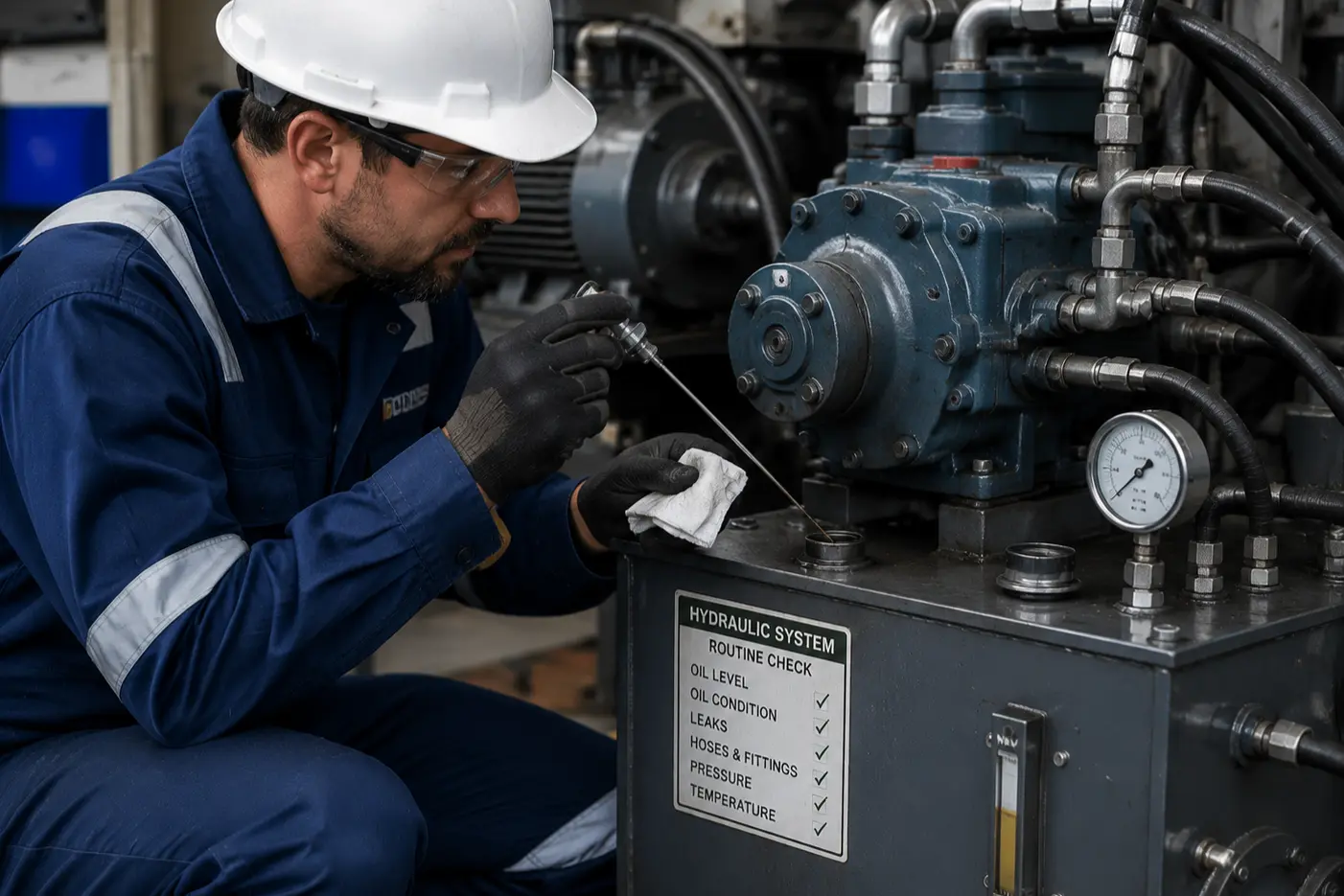
Essential Maintenance Steps for hydraulic pumps
Systematic maintenance involves regular inspections, proper fluid management, and systematic component monitoring.
Fluid Quality and Contamination Control
The single most important factor in hydraulic longevity is oil cleanliness. Contaminated oil acts like an abrasive compound, rapidly wearing down internal tolerances in gear, vane, and piston mechanisms. Regularly testing fluid viscosity, changing return-line filters, and preventing water or dirt ingress ensures that your fluid stays clean. SAIVS designs Hydraulic Components with high-precision clearances, making clean oil essential for preventing internal slippage and pressure loss.
Inspecting Seals and Connections for Leaks
External leaks not only create safety hazards and waste fluid, but they can also allow air to enter the Hydraulic System. Air bubbles drawn into the intake side of the pump cause cavitation—a severe condition that erodes internal metal surfaces and causes rapid failure. Inspect all fittings, shaft seals, and suction lines regularly to ensure tight connections. Replacing worn seals promptly preserves system pressure and protects internal parts.
Monitoring System Temperature and Vibration
Excessive heat and unusual noise are early warnings of mechanical trouble. High oil temperatures break down fluid viscosity, accelerating wear on internal contact surfaces. Similarly, increased vibration or whining sounds often indicate pump cavitation, aeration, or bearing failure. Installing temperature gauges and performing regular vibration audits allows maintenance teams to address minor issues before they cause total pump failure.
Best Practices for Long-Term Equipment Health
Creating a structured maintenance routine ensures that your equipment continues to perform reliably throughout its service life.
Establishing a Preventive Maintenance Schedule
Relying on breakdown maintenance leads to unplanned downtime and expensive emergency repairs. Establishing a daily, weekly, and monthly checklist—covering fluid levels, filter indicator status, and operating pressures—ensures consistent Performance. Proper record-keeping helps maintenance managers track performance trends and replace wearing components during scheduled service turnarounds.
Proper Storage and System Flushes
When storing spare pumps or replacing an old unit, proper handling is vital. Spare equipment should be filled with preservative oil and sealed against moisture and dust. When installing a new unit or after a major component failure, always flush the entire hydraulic reservoir and lines to remove metal debris before running the new pump under load.
Matching Operating Limits to Pump Specifications
Overloading a pump beyond its rated pressure or operating it above recommended speeds drastically shortens its lifespan. Ensure that relief valves are set correctly and that drive motors operate within specified RPM ranges. Using Saivs tools and components within their designed operational envelope guarantees optimal performance and prevents sudden mechanical stress.
Achieving Excellence with Professional Equipment
Maintaining fluid power systems requires a commitment to quality parts, proper procedures, and reliable engineering.
Engineering for Consistent Results
When operating high-pressure systems, you need equipment designed for easy serviceability and extreme durability. Robust pump housings, quality bearings, and high-grade seals make routine maintenance simpler and more effective. Saivs focuses on providing heavy-duty fluid power hardware that stands up to continuous industrial use, giving you dependable service year after year.
Expert Support for Your Hydraulic Needs
Developing a comprehensive maintenance protocol or selecting replacement components requires a clear understanding of system dynamics. If you need assistance with pump selection, fluid compatibility, or maintenance procedures, consult with experts who understand industrial hydraulics. Professional guidance ensures that your maintenance program effectively protects your operational investments.
Trusted Solutions for Industrial Excellence
For professionals demanding the best in fluid control and heavy machinery support, Saivs offers a comprehensive range of industrial equipment. Their commitment to engineering quality and reliability helps keep your operations running smoothly without unexpected interruptions. By choosing Saivs, you invest in durability, precision, and the long-term success of your industrial operations.
Why Choose SAIVS™ as Your Supplier?
With 20 years of industry experience, SAIVS is a leading Chinese manufacturer of high-quality tools, offering competitive pricing and excellent customer service.We pride ourselves on exceptional quality control, extensive experience, and comprehensive after-sales service.