Are Hydraulic Cylinders Stainless Steel?
In industrial automation, heavy construction machinery, and specialized marine engineering, selecting the correct structural materials is vital for durability and safety. Many professionals often wonder: are Hydraulic Cylinders made of stainless steel?
Understanding the material differences helps engineers choose the right components, ensuring that your fluid power systems withstand operating pressures, environmental challenges, and mechanical stress without unexpected failure.
Material Composition of Standard Hydraulic Cylinders
The vast majority of commercial and heavy-duty hydraulic actuators rely on carbon steel and alloy steels for structural integrity.
Why Carbon Steel Dominates Standard Applications
Standard hydraulic cylinders—including standard hydraulic pump circuits and industrial presses—rely heavily on high-strength carbon steel alloys (such as AISI 1020, 1045, or 4140) for the cylinder barrel and internal components.
The Importance of Chrome-Plated Rods
While the outer cylinder tube is often painted or treated for standard environments, the moving piston rod cannot be painted because it must pass smoothly through the seals.
The Role of Internal Protection
In a standard system driven by a typical hydraulic oil pump, the internal walls of the cylinder barrel are continuously lubricated and protected by hydraulic oil, which naturally prevents internal corrosion.
When and Why Stainless Steel Cylinders Are Used
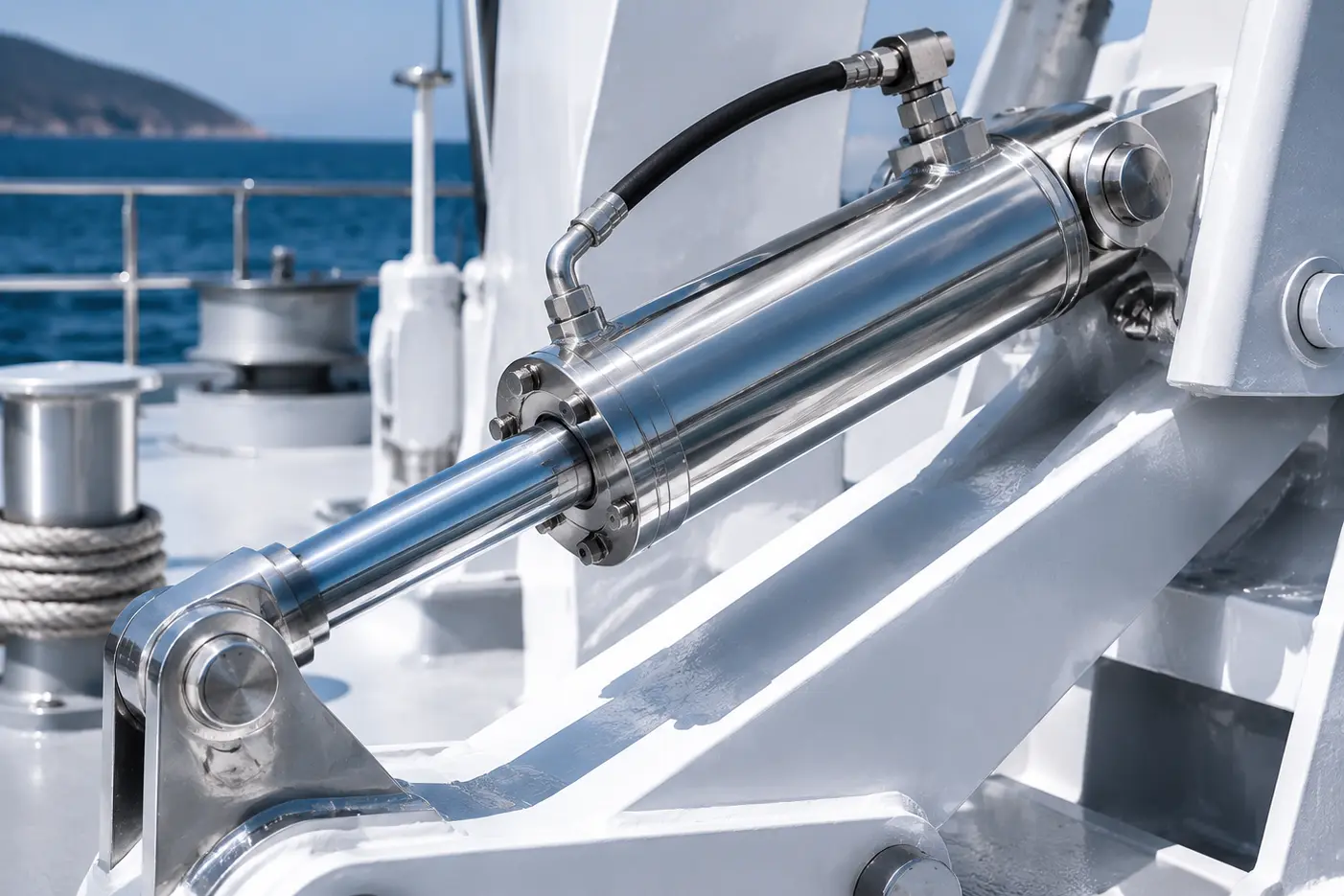
While carbon steel is the industry norm, stainless steel plays a critical role in specialized sectors where corrosion resistance outweighs standard material costs.
Harsh Environments and Chemical Resistance
When hydraulic equipment operates in highly corrosive settings—such as marine offshore platforms, chemical processing plants, or wastewater treatment facilities—standard carbon steel will rapidly rust and degrade.
Food Processing and Hygienic Standards
Industries that handle food production, pharmaceuticals, or medical equipment require frequent washdowns with harsh sanitizing agents.
Balancing Cost and Performance
Stainless steel is significantly more expensive and generally more difficult to machine than carbon steel. It also possesses different mechanical wear characteristics under extreme point loads. Therefore, engineers specify stainless steel selectively—such as pairing an Electric Hydraulic Pump with stainless actuators only when environmental exposure demands total corrosion immunity.
Achieving Excellence with Professional Equipment
Success in fluid power applications requires a commitment to quality hardware, precise engineering, and correct material selection for your specific operating environment.
Engineering for Consistent Results
When operating high-pressure industrial systems, you need equipment designed for extreme durability and appropriate environmental resistance. Robust housing designs, precision internal machining, and high-grade seals ensure reliable performance under continuous heavy loads. SAIVS focuses on providing heavy-duty fluid power hardware that stands up to demanding industrial use, giving you dependable results every single time.
Expert Support for Your Hydraulic Needs
Selecting the ideal cylinder material—whether standard carbon steel, chrome-plated variants, or specialized stainless steel—requires a clear understanding of your operating conditions. If you need assistance with equipment selection, custom engineering, or maintenance procedures, consult with experts who understand industrial hydraulics. Professional guidance ensures that your hardware investments accurately protect your operational safety and efficiency.
Trusted Solutions for Industrial Excellence
For professionals demanding the best in fluid control and heavy machinery support, Saivs offers a comprehensive range of industrial equipment. Their commitment to engineering quality and reliability helps keep your operations running smoothly without unexpected interruptions. By choosing Saivs, you invest in durability, precision, and the long-term success of your industrial operations.
Why Choose SAIVS™ as Your Supplier?
With 20 years of industry experience, SAIVS is a leading Chinese manufacturer of high-quality tools, offering competitive pricing and excellent customer service.We pride ourselves on exceptional quality control, extensive experience, and comprehensive after-sales service.